Sunday, October 12, 2008

South Asian Chamber Music: Gamelan Galak Tika

 Gamelan Galak Tika, Copley Square, Boston
G    amelan presents reality in musical form: it is cyclical yet linear, constantly alternating between event-overload and waktu kosong—‘empty time’. A person’s role within the ensemble is strictly defined and limited, only becoming meaningful in relation to the whole through kotekan. Culture is what we make of the world, both in creating cultural artifacts as well as in making sense of the world around us. Culture-making is an individual and collective civic duty.”
  —  Evan Ziporyn, MIT.
As non-Western chamber musics go, none, I think, is more beautiful than gamelan.

A gamelan is usually comprised of two metal percussion sets of bells—metallic drones, basically, plus some bronze or brass gongs—and each set is tuned to a different pitch-interval structure (‘laras’). One set is tuned to laras ‘sléndro’ (a pentatonic five-tone tuning system made up of approximately equidistant intervals), and the other set is tuned to laras ‘pélog’ (a heptatonic seven-tone tuning system with larger and smaller intervals). The gamelan’s elements are bulky and some of them are heavy, so the logistics and expense of touring with them are difficult. The MIT-based group, Gamelan Galak Tika, is one of a few gamelan ensembles touring regularly. Gamelan Galak Tika was founded in Cambridge, Massachusetts in 1993 by Evan and Balinese artists Nyoman Catra and Desak Made Suarti Laksmi. A part of the MIT Music and Theater Arts program, its membership is comprised of both students and members of the Cambridge community.

Gamelan tonality is not the only distinctive aspect of gamelan music; the rhythms are characteristic, too. The precise inter-relationship of the gamelan percussionists’ parts is known as ‘kotekan’. Difficult for Western ears and minds to recognize—kotekan can, like Indian carnatic music, be mistaken as aleatoric, random, concrète.

Gamelan is a visceral, physical chamber music. The word ‘gamelan’ means nothing more grand than ‘to hammer’. The percussion ensembles of Java and Bali often involve 10 to 30 members, but smaller gamelan ensembles exist as well. The word ‘gamelan’ implies a collectivism or ‘social’ hammering; in general, ‘gamelan’ doesn’t denote solo hammering by one individual. Besides the gongs and metallophones, a gamelan ensemble often includes hand drums, cymbals, bamboo flutes, and violin-like stringed instruments. For some gamelan pieces, vocal or ambient sounds are added.

P   revailing scholarly analyses of international relations pay virtually no attention to music. And yet the political dimensions of music are all too evident. The terrifying realities of conflict and the search for peace have inspired composers throughout history, from Haydn’s anti-war message in Missa in Tempore Belli to the astonishing outpouring of musical creativity following the terrorist attacks of September 11, 2001. Few would question the political content of explicit musical texts, such as protest songs. The more difficult challenge, however, is to locate the significance not only of titles or sung passages (where references to the political are easy to find), but also of purely instrumental music.”
  —  Roland Bleiker, Of Things We Hear but Cannot See, in Resounding International Relations (Franklin, ed.), p. 179.
In follow-up to the previous CMT post on separation of Music and State, I should mention that gamelan is the ethnic chamber music of Java and Bali, and is historically both a religion-sponsored sacred chamber music and a State-sponsored courtly and secular chamber music. The Balinese form of Hinduism prescribes gamelan for all ceremonial and liturgical events.

T    he present Lao government is ideologically committed to the promotion of ethnic equality. The nominal equality of the state-constructed ethnic categories of Lao Lum, Lao Theung, and Lao Sung is officially celebrated in political rhetoric and administrative decrees. [But there is a] paradox that these official practices nevertheless result in the implicit affirmation of ethnic Lao political and cultural superiority. A popular restaurant features traditional Laotian live music. ... [But] the dance itself, as well as the musical accompaniment, contains no ethnic minority elements; instead, it is unmistakably ethnic Lao.”
  —  Jan Oveson, in Civilizing the Margins (ed., C. Duncan), p. 214.
EMPAC@RPI
If you would like to experience a concert of contemporary gamelan music, you can do that next Saturday, 18-OCT-2008, at 14:30 at the brilliant, new EMPAC at Rensselaer Polytechnic Institute. Gamelan Galak Tika and Ensemble Robot will perform at the opening of RPI’s new Experimental Media and Performing Arts Center in Troy, New York. Or you can catch them in Boston later this month (Thursday, 30-OCT-2008, 19:30) in the intimate Berklee David Friend Recital Hall at 921 Boylston Street. Gamelan Galak Tika will be performing new music by composers including Ramon Castillo, Midori Matsuo, Sachi Sato, Christine Southworth, and Po-Chun Wang.

Or, if you are in Kansas City this weekend, you can hear Gamelan Genta Kasturi at the Urban Culture Project, La Esquina, 1000 West 25th St, Kansas City, MO, 18-OCT-2008, at 19:30, and 19-OCT-2008, at 14:00.

David Friend Recital Hall, Berklee College of Music
Gamelan Galak Tika play on two complete gamelans, both ‘sléndro’ and ‘pélog’. [Incidentally, Galak Tika is not a cute, spacey corruption of ‘galactica’. ‘Galak Tika’ in Bahasa Kawi (classical Javanese, a dialect of Sanskrit) means ‘intense togetherness.’ And intense togetherness is surely the unabashed effect that listening to and performing gamelan chamber music has.] Have a listen to a clip from one of their recent recordings:


    [50-sec clip, Evan Ziporyn, Gamelan Galak Tika, ‘Ngaben’, 1.2MB MP3]

With gamelan, there is, not surprisingly, an ‘historically-informed performance’ (‘HIP’) and historically-informed composition movement, not unlike HIP for Early Music in the Western tradition. Some composers who have written new music for gamelan—Györgi Ligeti, Michael Nyman, Lydia Ayers, Howard Skempton, David Parsons, and others—have been primarily interested in the gamelan for its interesting, atmospheric timbre. They have not been fastidious about Javanese sléndro/pélog tuning, except where it happenstantially suits their own compositional goals. They have not been fastidious about inter-part ‘kotekan’ rhythmic historicity either, except where it somehow supports the rhythmic complexity and authenticity that they were aiming at. A traditional gamelan ensemble learns aurally, typically without any notation. But that does not mean that the pieces are somehow imprecise or ad hoc improvised. Historically, they were not. It takes many, many hours of rehearsal to achieve the collective kotekan and learn a piece without notated sheetmusic. (It takes many hours even when you do have a written score!)


    [50-sec clip, David Parsons, ‘Urartu to Ubud’, 1.2MB MP3]


    [50-sec clip, Lydia Ayers, ‘Prime Gongs’, 1.2MB MP3]


    [50-sec clip, Jan Michiels, Györgi Ligeti, ‘Ouverture-Jaya Semara’, 1.2MB MP3]

Lou Harrison (1917-2003) was a notable exception insofar as he did not merely coopt the instrument and leave its idioms behind. His gamelan compositions pushed the boundary in terms of rhythmic and harmonic innovation in gamelan, but he also concerned himself deeply with traditional, authentic gamelan composition and performance. Harrison was a student of Henry Cowell, Arnold Schoenberg, and K.R.T. Wasitodiningrat (Pak Cokro). He is noted for incorporating elements of the music of non-Western cultures into his work, and he is one of the most prominent composers to have extensively used microtonality in his pieces. Harrison’s music is often constructed around so-called ‘melodicles’, short motifs that he reverses (palindromes) and inverts upside-down in pitch-space: minimalist but melodic, giving rhythm a role equal to that of melody; sensual, corporeal, physical.


    [50-sec clip, Lou Harrison, ‘Jhala III’, 1.2MB MP3]


    [50-sec clip, Lou Harrison, ‘Chaconne for Gamelan and Violin’, 1.2MB MP3]

I    ’d long thought that I would love a time when musicians were numerate as well as literate. I’d love to be a conductor and be able to say, ‘Now, cellos, you gave me 10:9 there, please give me a 9:8 instead.’ I’d love to get that!”
  —  Lou Harrison.
Evan Ziporyn
Gamelan Galak Tika founder and director is Evan Ziporyn, Kenan Sahin Distinguished Professor of Music at MIT. Recently he completed a work for Yo Yo Ma’s ‘Silk Road Project’, co-commissioned by Carnegie Hall, and a concerto for gamelan and strings for Galak Tika and the Philadelphia Classical Orchestra, commissioned by the Pew Foundation, premiered in 2007. His compositions have been performed by the Kronos Quartet, Bang On A Can, Nederlands Blazer Ensemble, master pipaist Wu Man, Boston Modern Orchestra Project (BMOP), and Gamelan Sekar Jaya. In addition to writing for Gamelan Galak Tika, he has arranged for the group works by Brian Eno, Conlon Nancarrow, Hermeto Pascoal, and Kurt Cobain. He also regularly performs and records as a featured soloist with Steve Reich and Musicians, and shared in their 1999 Grammy for “Music for 18 Musicians”. Born in Chicago in 1959, Ziporyn received degrees from Yale University and the University of California, Berkeley, where his teachers included John Blacking, Martin Bresnick, Gerard Grisey, and David Lewin. Upon completing a Fullbright Fellowship in Indonesia, he became Musical Coordinator of San Francisco’s Gamelan Sekar Jaya in 1988. He collaborated with Balinese composer I Nyoman Windha on ‘Kekembangan’, a unique work for full gamelan and saxophone quartet. He has been on the faculty of MIT since 1990.

G    amelan ensemble interactions are like fish swimming in a school. Like birds flying in a flock. There are individuals, but the interlocking kotekan makes them express themselves as a collective, a synchronized, composite organism.”
  —  Jeffrey Ruckman, Gamelan Genta Kasturi, KCUR interview.
Gamelan Galak Tika, Boston Museum of Science, 2006

D   hek jaman berjuang njur kelingan anak lanang
Biyen tak openi ning saiki ana ngendi
Jarene wis menang keturutan sing digadhang
Biyen nate janji ning saiki apa lali
Neng nggunung tak cadhongi sega jagung
Yen mendhung tak silihi caping nggunung
Sokur bisa nyawang nggunung desa dadi reja
Dene ora ilang nggone padha lara lapa.
[Since the war, I remember my son—
Long ago I cared for him, but now where is he?
I hear he has prospered. His dreams have now come true.
Long ago he made a promise, but now has he forgotten?
In the days on our mountain, I fed him corn and rice;
When it was rainy, I lent him my hat.
I hope he and his generation will come to their senses [and grasp the collective significance of those kindly gestures so long ago].
I hope to see this remote village become [with their financial and political help] a better place,
So that our own unselfish efforts will not have been without consequence.]
”
  —  RumahKiri.


Saturday, October 11, 2008

Econometrics and the Separation of Music and State

Barracuda
B    elieving with you that [Music] is a matter which lies solely between man and his God, ... and that the legislative powers of government reach action only and not opinions, I contemplate with sovereign reverence that act of the whole American people which declared that their legislature should make no law respecting an establishment of [Music], or prohibiting the free exercise thereof, thus building a wall of separation between [Music] and State.”
  —  Thomas Jefferson, letter, 01-JAN-1802.
The case of independence between music and state is often considered as being an ideal towards which all societies should aim. Social scientists of music have long anticipated the gradual separation of music from state as one of the predictions of the well-known secularization theory. But independence appears to be far from being the norm in the world today, however. In the U.S. it is not clear how the First Amendment should apply to the separation of Music and State.

It is common for states to fund the provision of some musical goods and to exert influence on musical practices, such that a surprisingly small proportion of countries in the world have fully achieved independence of Music from State. Alarmingly, lawless cooptation of music by political parties—in political contests in which the state itself does not participate—is also increasingly common. “Get Off My Lawn” McCain and “Barracuda” Palin, for example, have belligerently refused to cease and desist from playing certain music for promotional purposes at rallies and campaign events without consent and without paying any fees or royalties, thereby flouting the property rights, financial interests, and wishes of the composers and copyright holders of that music (for example, Ann & Nancy Wilson (Heart), Chuck Berry, John Hall, Jackson Browne, John Mellencamp, Tom Scholz, ABBA, and their respective publishers/record companies). Illegal behavior like this by elected officials is beyond appalling.

Some form of state influence or control over the provision of musical goods is typical in traditional societies. By contrast, state ‘control’ of the music is relatively uncommon in modern times. In the ancient world, musical institutions were typically subordinated and controlled by the state or by clerical authorities. In some societies, the ruler was also the musical leader, as was the case for gamelan music in Indonesian states. The ruler’s control of music has also been the norm among tribal societies throughout the world.

The Arts and State are arguably the two most important social institutions created by humankind. Not surprisingly, therefore, the history of their relationship has been stormy, ranging from cooperation to conflict. It would be desirable to develop a quantitative econometric model that accounts the relationship from an economic perspective. Such a model would answer the question as to what role does Music play in supporting the ability of the sovereign to extract resources from the people through taxation? The idea that Music, through its motivations (or ‘doctrine’ inducing citizens’ beliefs and actions) can facilitate this function of the State is an inchoate one, underlying both ancient and modern civilizations but never stated outright.

A proper model might posit two avenues by which an alliance with Music benefits the State. The first is the [Marxian] notion that musical goods pacify the populace, allowing the state to extract more resources before citizens reach the threshold of revolt. The second is the fact that citizens pay taxes more willingly (i.e., tax evasion declines) when the State is seen as musico-motivationally more legitimate.

This second avenue that potentially makes state control of music—i.e., the establishment of a State-funded Music or, conversely, the indirect repression of certain music—desirable. The reason is that an independent Music serves the pacifying function without the need for distortionary tax financing. If this were Music’s only function vis-à-vis the State, an independent Music would be optimal. However, an independent Music will not provide the sovereign’s ideal level of legitimacy. As a result, it may pay the sovereign to seize control of Music, even at the cost of having to finance it out of taxes, in order to maximize the State’s net gain.

A crucial factor in this decision is the nature of musical doctrine—that is, how favorable or unfavorable is musical teaching toward the State? The more favorable is the music’s doctrine, the more likely it is that the State will benefit by taking control of music. In contrast, when Music is regarded by the State as antagonistic to its power over the populace, the State may act to suppress Music.

A useful consequence of the model would be to better define the nature of musical doctrine. This poses a significant challenge, since Music and music organizations are complex, and distinct institutions, the former being a collection of “texts” and “teachings” aimed at illuminating the mysteries of the universe and humankind’s place in it, and the latter being the organizational structure supposedly established to inculcate and spread those teachings. Music doctrine therefore must be comprised of a constellation of rules and ideas that reflect an amalgam of practical considerations and genuine “revelations,” and any attempt to explain them as originating from a single decision maker or as the product of a single econometric ‘objective function’ is unrealistic.

One possible model is a direct adaptation of one developed by Brennan and Buchanan (2006), and extended by Wintrobe (2000), in which a self-interested sovereign maximizes the surplus of taxes over spending on a public good. To keep the model simple, we only consider spending on a “musical good,” either by the State (in the case of a State-run Music), or the musical community (in the case of an independent Music). The basic conclusions of the model would not be affected if the state also provided a public good.

In the model, the representative citizen has a utility function given by:

           U = x + v(q),       (1)

where x is composite consumption, and q is the quantity of a musical good, where v' > 0, v˝ < 0. The musical good consists of those services typically provided by Music. The citizen is endowed with wealth of E, an amount T of which the government confiscates in taxes. The citizen therefore has after-tax wealth of, E–T, which he or she can spend on x and, in the case of an independent Music, on musical goods.

Tax collection is costly to the government because of resistance by citizens to having their property confiscated. We capture this by assuming that a fraction δ of each tax dollar collected must be spent on enforcement. This cost will tend to be lower, however, as the government is seen as being more legitimate. As noted, musical spending can potentially provide this legitimacy, for example by proclaiming that the sovereign is divinely inspired (or is himself a classical music prodigy or rock-star). We thus write δ = δ(λq), where λ is a parameter that reflects the extent to which musical goods convey legitimacy, δ' < 0.

W e do not restrict λ a priori in magnitude or sign; λ > 0 means that Music legitimizes the State, λ = 0 means that music is neutral regarding the state, and λ < 0 means that Music de-legitimizes the State (e.g., incites resistance). Thus, we assume that for q > 0, δ —> 0 as λ —> +∞ and δ —> 1 as λ —> -∞. We also assume that δ(0) ≡  δ0, where 0 < δ0 < 1. The objective for the State is to maximize tax revenues net of enforcement costs and, in the case of a State-run Music, the cost of the music good.

Over the range where λ < λ2, the State suppresses Music (that is, takes over Music and sets q = 0). Here, the de-legitimizing effects of Music are so detrimental to the state (or political parties) that the State (or political parties) finds it advantageous to eliminate Music altogether (or to curtail music spending, or to refuse to seek consents or pay royalties, or to embroil music rights-holders in ruinously expensive litigation).

It cannot be disputed that throughout history that there have been cases where Music has manifested motives other than beneficence toward its public. So a proper econometric model of Music and the State ought also to examine the implications of allowing independent Music to act in a self-interested manner; specifically, to maximize profit to the detriment of the public and the State.

Let π be the profits earned by a hypothetical ‘non-beneficent’ Music, where π > 0. That is, R - c(q*) = π or R = c(q*) + π. Solving for T yields the citizen’s tax payment:

           T = E + v(q*) – c(q*) – π - U ,    (2)

and the corresponding return to the State:

           V2(q*, π) = [E + v(q*) – c(q*) – π – U] (1 – δ(λq*)).     (3)

Higher values of π reflect a stronger Music in the sense that a stronger Music can extract a larger share of the citizen’s total ability to pay. (So π is bounded above by E – v(q*) – c(q*) - U, the point at which T = 0.)

Consider how an econometric model can show the relationship between independent and State-run Music. As π gets larger, the less desirable independent music is from the State’s perspective. Figure 1 summarizes the various regions where each of the three regimes dominates, depending on the political content of music doctrine (λ) and the degree of music power (π). As the diagram reveals, an independent Music occupies a region where doctrine is neither too overtly favorable nor too detrimental to the state, and where the Music’s power is limited.

In an economic downturn such as the one that’s presently upon us, the private economy makes a truly independent Music less and less viable. Circumstances like these foster a larger role for governments and public-sector econometrics, augment Music’s vulnerability to political ideology, and make stewardship of Music as a pluralistic public good more vital than ever.

Music doctrine vs. Political power
T    homas Mann often spoke in the face of would-be synthesizers. They were prophets who foretold that there would eventually be a gathering of the separate forces, a centering and synthesis among the world’s legal systems and the religions. People like Mann instead contended that the world has many centers. There is no single organon, encyclopedia, summa, canon, legal code, or synthesis available to and accepted by all the people or all the peoples. Ours turned out to be a century when science propounded the indeterminacy principle and chaos theory. Indeterminacy rules religion and law when they interact... No single symbol system unites the arts or makes them intelligible to all... This decentered and decentering scene demands attention.”
  —  Stephen Feldman, Law & Religion, p. 26.


11 Oct 08

The Royo Romance (Part 25)

Royo Girl - An intelligent and attractive criminology graduate who used to visit me in prison. Whether her interest is based on love or she is writing a thesis on my criminality is an open question. She's flying from Tucson to visit me for my birthday week in October.
Click here for Part 24.

From yesterday’s phone conversation with Royo Girl:

“You caused quite a stir in the comments section last week,” I said.
“I’m just glad none of your readers made cutting remarks,” Royo Girl said, “like some of them have in the past.”
“I think it’s a love-hate relationship.”
“Yes, depending upon the angle you put on me.”
“And what angle would you like?”
“Are you getting sexual, Shaun?”
“Oh God no, that just came out funny. Your comment last week about us not leaving the hotel room must be on my mind.”
“I’m gonna make you leave the hotel room with me! It’ll be nice to walk around London with you.”
“Which parts of London do you fancy us walking around?” I asked.
“Central London. By Tower Bridge. Millennium Bridge. The River Thames. I want you to untaint my view about London.”
“I was down there last week. I really want to move down there. There’s such a great atmosphere. Perhaps you should do your master’s degree down there.”
“I’m gonna do my master’s in Australia.”
“In what?”
“Criminology.”
“You still want to be an FBI agent like Clarice Starling?”
“I want to do analytical research involving crime syndicates.”
“Oh boy!”
“I’d be investigating people like you.”
“Arresting people like me!” I said. “Bring some handcuffs and we can practice.”
“You’re so naughty, Shaun.”
“What uni in Australia will you go?”
“Melbourne. I have the application and I’ve contacted an old professor for a reference.”
“Are you still finding the Australian accent sexier than the British?”
“Oh yeah,” Royo Girl said slowly, as if under the influence of an Australian accent.
“Oh yeah! Where does that leave me?”
“I like you as a person, Shaun, so the British accent is a mute point. Although it is better than the American accent.”
“So I’m still in the running then?”
“Maybe.”
“Say I fall madly in love with you when you come to England and I want to run off to Australia with you?”
“Then we’ll make lots of little Shauns.”
I giggled. “Are you broody?”
“Just the other week my friend had a baby.”
“How did that make you feel?”
“I know I’m not ready, but I do want one.”
“Won’t that affect this power career in criminology you’ve got planned?”
“I can do both. Especially if I have a good husband.”

Email comments to writeinside@hotmail.com or post them below

Shaun P. Attwood

Friday, October 10, 2008

Halloween: Spooky String Quartets, Scary Piety

Violinist, skeletonized
T    he basic purpose of story-telling ... is not just to entertain but to illuminate life. It doesn’t matter if we deal in the symbolism of supernatural beings such as vampires, zombies, ghosts, werecreatures, and unknowable cosmic entities. If horror is done right—and we have only to look at the stories withstanding the test of time to identify which ones are done right—then it provides a psychological roadmap through the trials of life.”
  —  Matthew Warner, Horror Isn’t a 4-Letter Word, p. 14.
To many, Halloween is a perfect ‘holiday’, relatively free of the social stresses that burden other celebrations during the year. And, to celebrate Halloween, it’s always good to have some appropriate atmospheric music to mark the occasion. If you and your string quartet friends are looking for something new to put you and your Halloween audiences in the spirit, you can surely do no better than Stacy Garrop’s String Quartet No. 2, ‘Demons & Angels’.


    [50-sec clip, Stacy Garrop, String Quartet No. 2 ‘Demons & Angels’, Mvt. 3, ‘Inner Demons’, 1.2MB MP3]

Music in the Loft commissioned the first two movements of ‘Demons and Angels’ for performance by the Biava Quartet on its 2004/2005 concert series. The Loft subsequently commissioned the rest of the piece, premiered by the Biava Quartet at Yale University in November 2005. The 4-movment complete work received its premiere at Music in the Loft in October, 2006.

An assemblage of unrelenting demons, unreliable angels, and gothic humanity, String Quartet No. 2 tells the story of a devout man who confidently and self-righteously thought his actions were guided by God, only to discover that he was mistaken—he has in fact heinously murdered five people. The first two movements elucidate the deluded personality of this character. The first, ‘Demonic Spirits’, addresses the darkness that’s inherent in his pious self-deception. The movement begins with a jarring chord played five times, each one representing a murder. These chords return as violent interruptions throughout the piece. This movement has two main themes: the first theme is martial/militaristic; the second theme is sinister in its arrogant impishness. The second movement, ‘Song of the Angels’, contemplates the goodness in the protagonist before his personality is transformed by delusional piety. The cello has a long solo created by blending elements of the first movement’s themes, representing how evil is spawned from good intentions that are oblivious to reality.

The third movement, ‘Inner Demons’, is a vivid account of this character as he descends into psychosis. This movement contains four themes: a tarantella, a demented waltz, a scherzo, and the Kentucky pentecostal folk hymn ‘The Wayfaring Stranger.’ Finally, the eerie hymn asserts itself above all, and we hear the man commit the five murders that opened the first movement. The piece concludes with IV. ‘Broken Spirit.’ This movement explores his realization of what he has done. The man is caught and sentenced to life in prison. With a festinating four-note motive, the man paces in his cell while his mental state alternates between psychotic violence and spasms of remorseful hope that, through contrition, he can be saved by angels.

I    am a poor Wayfaring Stranger,
A-trav’lin’ [you betcha!] through this land of woe.
And there’s no sickness, toil or danger
In that bright world to which I go.
I know dark clouds will gather ‘round me;
I know my way is [darn] rough and steep.
But beauteous fields lie just beyond me [my friends],
Where souls redeemed their vigil keep.
I want to wear a crown of glory
When I get home to that bright land;
I want to shout Salvation’s story
In concert with that blood-washed band.”
  — Appalachian Folk Hymn.
Scary jack-o-lantern
Of course, a composer’s decision to write a string quartet is fateful in its own right, linking one to the great European tradition, including veneration of glorious, deceased masters. At the outset the composer always believes in her/his own mind that the quartet-writing enterprise is a just and righteous one. Mindful of the risk of self-deception, however, Garrop dissects her corpses carefully and finds her own funereal path. ‘Demons & Angels’ is a pestilential object lesson in terror—for listeners, performers, and maybe other composers. She discovers her quartetly ‘path’ both musically and theatrically, incorporating diverse elements and exploiting the dimly-lit concert environment in suspenseful bubonic ways. Musically, Garrop’s works are distinguished by the mordant quality of their realization. The Second Quartet embodies a well-(de)composed ‘working out’ of the implications of these various morbidly-contrasting motivic ideas and Ichabodleian gestures with a traditional arch form, galloping repeated psycho-rhythms, and a cadaveric approach to thematic development. ;)

Stacy Garrop has won several orchestra competitions resulting in performances by the Civic Orchestra, Omaha Symphony, New England Philharmonic, the Women’s Philharmonic, and readings by the Minnesota Orchestra and the American Composers Orchestra. She was also selected for the Dale Warland Singers 2000-2001 New Choral Music Program. She was a finalist for the 2001 Rome Prize, and received a 2001 Barlow Endowment commission, as well as a 2002 Artists Fellowship Award from the Illinois Arts Council.

Her works have been recently performed by the Charleston Symphony Orchestra, San Francisco Chamber Singers, EARPLAY. Other performances includes ones given by the National Repertory Orchestra and the new music ensembles Third Angle and SoundsNew.

She has held fellowships/residencies at the Banff Centre for the Arts, MacDowell Colony, Millay Colony, Atlantic Center for the Arts, Yaddo, and Wellesley Composers Conference.

Garrop completed her Doctorate in Music at Indiana University in 2000; she also holds an M.A. from the University of Chicago (1995) and a B.M. from University of Michigan (1992).

Stacy is currently an Assistant Professor in Composition at the Chicago College of the Performing Arts at Roosevelt University.

Other Halloween-ish pieces you might consider include these:
Cat pumpkin coach
Z   ig et zig et zag, la mort crie cadence
Frappant une tombe avec son talon,
La mort à minuit joue un air de danse,

Zig et zig et zag, sur son violon.
Le vent d'hiver souffle, et la nuit est sombre,
Des gémissements sortent des tilleuls ;
Les squelettes blancs vont à travers l'ombre
Courant et sautant sous leurs grands linceuls,

Zig et zig et zag, chacun se trémousse,
On entend claquer les os des danseurs,
Un couple lascif s'asseoit sur la mousse
Comme pour goûter d'anciennes douceurs.

Zig et zig et zag, la mort continue
De racler sans fin son aigre instrument.
Un voile est tombé ! La danseuse est nue!
Son danseur la serre amoureusement.
La dame est, dit-on, marquise ou baronne.
Et le vert galant un pauvre charron - Horreur!
Et voilà qu'elle s'abandonne
Comme si le rustre était un baron!

Zig et zig et zig, quelle sarabande!
Quels cercles de morts se donnant la main!

Zig et zig et zag, on voit dans la bande
Le roi gambader auprès du vilain!
Mais psit ! tout à coup on quitte la ronde,
On se pousse, on fuit, le coq a chanté
Oh! La belle nuit pour le pauvre monde!
Et vive la mort et l'égalité!

[Zig … zig … zag, Death in cadence
Striking a tomb with his heel,
Death on the stroke of midnight plays a dance-tune,

Zig … zig … zag, on his violin.
The winter wind blows, and the night is dark,
Groans are heard in the lindens;
Through the gloom, white skeletons pass,
Running and leaping in their shrouds.

Zig … zig … zag: each one is frisking,
The bones of the dancers are heard to crack—
A lustful couple sits on pillows
As if to relish a remembrance of softness that they knew in life.

Zig … zig … zag, Death continues
to scrape endlessly his sour instrument.
A shroud fell! The dancer is nude!
The dancers embrace, squeezing each other in withered love.
The lady was, says one, a marquise or baroness.
And the gallant lover was but a poor cartwright – Horror!
Look how wantonly she bonily abandons herself
As if the uncouth one was a baron!

Zig … zig … zig, which sarabande!
Circles of deaths giving each other the hand!

Zig … zig … zag, one sees in the band
The beauteous gambol with the ugly!
But psit! all of a sudden they quit the round ,
They push forward, they fly; the cock has crowed.
Oh! How exquisite is this night for the poor world!
And how lively Death and Equality!]

  —  Henri Cazalis (1840-1909), ‘Danse Macabre’.
The archetype for the Halloween spooky trope is no doubt the grotesque poem by Henri Cazalis that Saint-Saëns set for his ‘Danse Macabre’: ‘Zig et zig et zig, la Mort in cadence.’ Death, the violinist: summoning skeletons from their graves at midnight for a dance. Ghastly merriment, with interruptions. The poem’s two themes—one: osseous, clacking; the other: benighted, desolate.

If your quartet’s cellist is game, you might find Kaija Saariaho’s ‘Petals’ especially fitting as an addition to your play list. The tremendous abjection of it is deeply scary [click on the link to hear a YouTube clip of it]; very different from Danse Macabre.

It’s a challenge for composer and performers alike to achieve the grotesque without devolving into cheap pastiche. Garrop’s quartet orchestration is robust, balanced in a way that does not present excessive risks in performance. Kingston’s arrangement of the Saint-Saëns is vivid and serviceable. And Saariaho’s cello solo will leave everyone hesitant to shake the scary cellist’s hand after the performance. Bwwaah-ha-ha-ha-ha.

P   etals für Violoncello solo wurde in wenigen Tagen komponiert; eine lange, unbewußte Vorbereitung war diesem Stück jedoch vorangegangen. Das Material stammt direkt von meinem Stück Nymphea für Streichquartett und Elektronik. Der Name Petals (Blumenblätter) ist ebenfalls aus dieser Beziehung abgeleitet. Die gegensätzlichen Elemente darin sind sehr zerbrechlich, es sind farbenprächtige Passagen, die energischere Ereignisse mit klarem rhythmischen und melodischen Charakter hervorbringen. Diese scharf umrissenen Figuren werden verschiedenen Veränderungen unterworfen und versinken schließlich in einem dynamisch reduzierten, aber nicht weniger intensiven Filigranmuster. Mit der Kombination dieser beiden gegensätzlichen Ausdrucksarten wollte ich den Interpreten zu einer Ausweitung seiner körperlichen Sensibilität zwingen.
[‘Petals’ was composed in just a few days; a long, unconscious incubation preceded this, however. The material comes directly from my piece ‘Nymphea’ for string quartet and electronics. The name ‘Petals’ is derived also out of this relation—the Nymphs; the string/electronics orchestration. The moribund frailty of it all, of the petals! The opposing elements: passages that are very fragile with ambiguous character and rhythm oppose colorful passages evoking vigorous events with clear rhythmic and melodic character. These sharply outlined figures are subjected to different variations; they sink, and are dynamically reduced in the end to just one, but with still-intensive filigreed patterns. With the combination of opposing expression types, I wanted to force the performer to expand her/his sensitivity to the corporeal limits.”
  —  Kaija Saariaho.
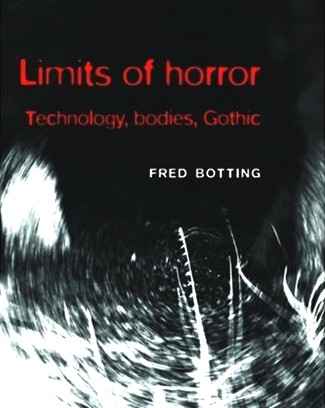
Botting book

Decrepit violin


Thursday, October 9, 2008

09 Oct 08

Women in Prison: From Andrea (Letter 1)

Andrea is a 28-year-old Scottish woman. After suffering years of domestic violence, Andrea was arrested for attempting to murder her partner. The attempted murder charge was subsequently dropped to wounding and she is due to be sentenced next Monday.
Andrea is writing from a women’s prison in England. It is my hope that she will become a regular contributor to Jon’s Jail Journal
.

As a first time prisoner I was really frightened, as I didn’t have a clue as to how the system worked, or how to work the system. My first steps inside my new home were scary, especially the looks of all of those women. I was wondering if I would fit in or not. I had to figure out who was the leader of the pack.

Living with all sorts of women is far from easy. They come in all sorts of shapes, sizes, ages, nationalities and mental states.
The so-called lesbians – really all they are are swingers – try their luck as soon as you walk through the gates for the first time. I never even got time to unpack my things and it had started. I am just so lucky to be as strong-willed as I am to brush them off. They soon got the hint, but they still like to try their luck as time goes on “just in case.”

Finally, you get settled into your cold cell, then all you hear are door knocks and, “How are you? What are you in for?”
All you want is peace is quiet. But you have to talk because you just don’t know what’s around the corner! It isn’t long before you get the gist of it, you don’t have a choice.

In my case it was easy as I got along with everyone, and I will never get involved in any backstabbing as that’s what causes trouble. Women are the world’s worst at that. Men fight their problems out, whereas women bitch and it never stops no matter what the situation.
There’s always the one woman with the big hard mouth, the gift of the gab. But I sussed her out from day one. She's like that because she's scared and lives in fear. Sad really.

I sit and watch all of them – “checking them out” as I say – to see who is really who. Mostly drug addicts. Loud and full of it! Thinking they are big and nobody will question them. They forget that there is always somebody who will do just that.
From what I’ve seen so far the older generation are the dangerous ones. Devious, malicious old women who hunt for the young vulnerable prisoners and bully them into giving them tobacco, etc. It’s funny in a way watching a woman old enough to be your grandmother getting banged up for 28 days for being a bully.

Meal times. It’s like sitting at a table full of animals. It’s disgusting! Food falling from their mouths. Talking while eating, which leads to getting sprayed with food. I choose to eat in my cell, with manners at that. If I did sit at the table, I think I would be sick.

Personal hygiene. I know we are all in prison, but that doesn’t mean to say that you have to stop having a wash! Some of the prisoners seem to have forgotten how it’s done. As for the state of the shower rooms, I wouldn’t let a dog in them! Dirty used sanitary wear lying on the floor. Blood all over the toilet. Unflushed toilets. I just feel for the cleaners.

Thanks for reading my first blog!

Andrea

As this is Andrea’s first letter for Jon’s Jail Journal, your comments and questions would be appreciated. If you wish to write to Andrea then email me your name and address. She does not have Internet access, so I will mail your comments and emails to her.

Also, I am starting a letter writing campaign for Mike Hunter (Slingblade). I'll be posting more about that with John McCain's address in Washington to Jon's Jail Journal on Monday.

Email comments to writeinside@hotmail.com or post them below

Shaun P. Attwood

Tuesday, October 7, 2008

Progress in Treating Musicians’ Focal Dystonia: 2008 Update

Pianist with focal dystonia
I   have a young student (teenage) who is having progressively more problems with his left hand, with violin. I have heard of musician’s cramp in older people—Leon Fleisher and all that. But I have never heard of it happening in kids. Does it happen and, if so, how common is it? Is there anything new in terms of available options for treating it? Would switching to a different violin help? Would switching to a viola or cello help?”
  —  Anonymous, email to CMT, Beijing.
Joseph Jankovic, a Professor of Neurology at Baylor College of Medicine (Houston) with whom I am acquainted, has recently collaborated on dystonia research with colleagues in Beijing (link below). Because I do not (yet) read Chinese it is only through personal contacts or through publications that appear in English that I become aware of neurologists in China who are specializing in dystonia diagnosis and management. But it is clear that there are a number of Chinese medical centers where you (your student) might go and receive expert care for this condition.
I don’t have any strong advice on this topic (musicians’ focal dystonia). And I don’t have any first-hand experience in diagnosing/treating/managing the condition. But I will gather together below some up-to-date information about current research, plus some links that you may find helpful in seeking expert assistance. As to the part of your question concerning the epidemiology of focal dystonia and the incidence of dystonia in kids, here is a quote that pertains to the experience in the U.S. (Maybe figures like these prevail in other parts of the world but, to my knowledge, no detailed epidemiologic statistics have so far been published.)

A   s many as 1 in 200 (0.5%) [of professional] musicians may be affected during their career, and at performing arts medical centers 8% to 14% of musicians seeking medical attention are ultimately diagnosed with dystonia. Symptoms usually begin in the fourth decade of life, a period when performers are at the peak of their careers, and once present rarely remit.”
  —  Anna Conti, Seth Pullman, and Steven Frucht, The Neurological Institute, Columbia University Medical Center, New York, October 2008.
Dystonia is a movement disorder that causes the muscles in the body to contract or spasm involuntarily. These muscle ccontractions force the body into twisting, repetitive movements, and abnormal postures.
  • Multiple parts of the body can be affected, or sometimes just one such as hands, arms, neck, face, eyes, or vocal cords;
  • Symptoms are usually chronic and progressive;
  • Varying degrees of disability and pain, from mild to severe, interfering with performing on your instrument;
  • Affected body parts specifically are ones that are intensively utilized in your performing—ones that are the focus of intense attention, cognitive effort, and repetitive rehearsal.
There is still no cure for focal dystonia. There is no single treatment or therapy that is appropriate for every person who has focal dystonia. Treatment may include oral medications or Botox® / Myoblock® injections or behavioral retuning/conditioning exercises or, more recently, repetitive transcranial magnetic stimulation (rTMS). The more that research enables us to understand Torsin genes and other elements involved in the development of the condition, the likelier it is that more effective and specific therapies can be devised to treat dystonia.

Focal dystonia is a condition characterized by a loss in motor control of one or more body parts. A single muscle or group of muscles is involved: for example, muscles in the hand and forearm tense and tighten, with the result of making the hand (or part of it) curl. Musicians who have intensively practiced their instruments over a number of years are a group most affected by this condition; usually the diagnosis is made when the person is in her/his 20s to 40s. The reason is that focal dystonia generally arises with repetitive movement of the affected body part(s) over a significant period of time. The condition was long known as an ‘occupational hand cramp.’ It can easily be misdiagnosed as simple overuse or stress of the hand. Although it may not be obvious at symptomatic presentation, the level at which the problem is caused is not the hand (or other affected part), but the brain. If kids are intensively trained and accumulate a high level of repetitive movement history at a younger age, there is no biological reason why they would not experience dystonic symptoms at age 15 which, in earlier generations, might have been more usual at age 25 or 35.

Focal dystonia is almost certainly the most prevalent and the most disabling professional disorder in musicians. It decreases the technical level of performances. For many musicians, it ends their performing career. The musician is progressively unable to control the movement of the affected body part(s) when performing. Yes, there is meaningful life for musicians after focal dystonia, when dystonia treatments are unsuccessful. There are roles in music teaching/coaching, music theory, composing, conducting, recording and producing. There are roles as agents, presenters, and executives in government arts and NGO agencies. All sorts of things. But the mourning over the loss of what could have been is monumental. These are musicians—of all ages—whose gifts in other areas may be wonderful, but whose gifts as performers have been foreclosed upon by the misfortune of neurophysiology and genetics. The motivation to discover the underlying causes and discover better therapies is powerful!

The Chicago-based Dystonia Medical Research Foundation (DMRF) routinely issues research grants to investigators, as do other foundation and governmental granting agencies. Some are studying repetitive transcranial magnetic stimulation (rTMS) for the treatment of focal dystonia (e.g., Drs. Victor Candia; Teresa Kimberley and others).

Musicians With Dystonia [founded under the auspices of the Dystonia Medical Research Foundation (DMRF) in 2000 by professional French Horn player Glen Estrin and Steven Frucht, a neurologist at Columbia-Presbyterian Medical Center in New York] also works to encourage and sponsor original research concerning causes and treatments for focal dystonia. The group is dedicated to serving the special needs of musicians affected by focal dystonia, particularly hand and embouchure dystonias. As division of DMRF, the Musicians with Dystonia group supports innovative research in all populations of affected musicians, regardless of age.

The Musicians Medical Advisory Committee of the DMRF encourages grant applications from researchers addressing physician education programs (so that new innovations are made broadly available in practice, to the widest possible number of affected musicians), not just basic science or theoretical neuroscience studies.

Victor Candia is a fine example of a musician who is conducting practical applied research on dystonia. Victor was born in 1966 in Chile, and for 10+ years he taught classical guitar at music conservatories in Germany. In 1991, he developed severe focal dystonia of his left hand, which ended his career as a professional guitarist. He then studied Psychology at the University of Konstanz, Germany, from 1992 to 2000, where he designed and conducted research studies in musicians with dystonia. After completing his doctoral degree, in 2004 he joined the faculty at the Collegium Helveticum of the University and ETH Zürich, where he conducts research on neurophysiology of emotions, brain plasticity, and focal dystonia. Candia and his colleagues have studied treating focal dystonia with ‘sensorimotor retuning’ (SMR) and other methods, examining the efficacy of those techniques in performing artists. Remodeling cortical networks through sensory-motor retuning (SMR) have achieved long-term reduction in the symptoms of focal hand dystonia. The SMR treatments must be continued over time for the benefits to be sustained—but this finding is itself a very important practical result of Victor’s work. It is not only a matter of ‘what’ to do, but also a matter of ‘how’ and ‘how long’ to do it.

Recent fMRI magnetoencephalographic studies confirm that SMR modifies the ‘representational cortex’ that the brain has for the fingers and the fingers’ relations to each otehr, whereby the representation of the affected hand is reorganized so that it more closely resembles the organization of the non-affected side. Candia and others also observe differences in abnormal ‘tactile acuity’ between patients who have musicians’ dystonia and those with writers’ cramp. Using two-point finger discrimination, Candia’s group has found that dystonic musicians show a dramatic, quantitatively/statistically significant perceptual asymmetry between their hands, while writers’ cramp patients do not. To further evaluate the occurrence of collateral disturbances in focal dystonia, they assessed the clinical histories of more than 100 affected musicians. Solid results. Not anecdotes and qualitative ‘case reports’. Not soft conjectures. Solid, quantitative, actionable answers!

An important finding from Candia’s recent published studies was that dystonic musicians who play a similar first and second instruments consistently report a continuous worsening of their symptoms. In addition, collateral disturbances appeared with a shorter delay when more than one instrument was played. So for the Beijing teacher whose question was the reason for this CMT post, the answer is that substituting viola or cello would probably not yield lasting relief and may, in fact, make the process more rapid or severe. Taken together, the evidence suggests:
  1. that neurological dysfunction can be substantially reversed by context-specific re-training of the affected part(s) [great news!];
  2. reversal of dysfunction may be a slow process over many weeks or months [our hopes and fears, realistically calibrated!];
  3. specific symptomatic and etiological differences among various forms of focal hand dystonia might result from different behavioral experiences and how and where those experiences are stored represented in the brain [helpful for diagnosticians and teachers!]; and
  4. the spread of dystonic symptoms can in many instances be prevented by avoiding any training exercises that entail movement patterns that are similar to the main affected task, and by establishing ‘quotas’ on practice/rehearsal (limiting the amount of performance task-associated movements per day).
Karin Rosenkranz and colleauges in London at Sobell Dept of Motor Neuroscience and Movement Disorders the Institute of Neurology at UCL are also iconic examples of pragmatic research on dystonia. They have recently been working on sensorimotor retuning treatments for focal dystonia. The sensorimotor organization (SMO) of the motor hand area is abnormal in focal hand dystonia and appears to contribute directly to symptoms. In healthy musicians SMO is changed by training with spatial ‘proprioceptive’ stimulation. They tested whether similar interventions reverse the abnormal SMO in musicians’ dystonia and writers’ cramp, anticipating possibly developing them for improved therapies. In six non-musicians, six professional musicians, six patients with musicians’ dystonia, and six patients with writer’s cramp, SMO was explored by measuring changes in ‘short-interval-intracortical-inhibition’ (SICI) during short periods of mechanical hand muscle vibration before and after two training types:
  • AttVIB, involving attention to 15 minutes vibration of the abductor pollicis brevis muscle (APB); and
  • AttIndex, involving attention to neural stimulation of the index finger.
In normal, non-dystonic non-musicians, they found that baseline SMO is ‘spatially differentiated’ in the brain. That is, they found that SICI is reduced in projections to the vibrated parts, but enhanced in projections to the non-vibrated muscles. AttVIB increased and AttIndex reduced the effect of subsequent APB-vibration on SMO.

In healthy, non-dystonic musicians, the baseline SMO is not differentiated as much. AttVIB restored a more differentiated SMO pattern, while AttIndex diminished the effect of APB vibration. But in focal hand dystonia, they found that SMO is completely spatially de-differentiated. AttVIB tended to restore a more differential SMO in musicians’ dystonia (but not in writer’s cramp), while AttIndex failed to induce any changes in both groups.

W  hether the vibration retuning intervention is effective or not apparently depends on the musician’s prior sensorimotor organization (SMO). In musicians’ focal hand dystonia, it’s possible to retrain an abnormal SMO toward a more spatially differentiated pattern.

Steven Frucht and colleagues at The Neurological Institute of New York at Columbia University Medical Center are another group active in conducting research to identify the neurophysiology and genomics of focal dystonia and to evaluate new practical treatments. Have a look at their website (and links below) to see what’s new in their efforts, and to see whether any of the clinical trials that they are conducting may be relevant to you or to your student.

Neuronetics rTMS clinical trials centers, U.S., 2008
The Dystonia Medical Research Foundation has a number of DVDs and videos that you may find useful. They also have a nice Treatments page that provides information on the approaches that are available right now (both medical and non-medical ones), plus a referral service to help you find a neurologist in your area who is experienced in managing focal dystonia in musicians.

Check out DMRF’s Musicians with Dystonia webpage.

Besides recent advances in sensorimotor retuning and other behavioral interventiosn, repetitive transcranial magnetic stimulation (rTMS) and transcranial direct current stimulation (tDCS) are promising, novel, noninvasive cortical stimulation methods for treatment of dystonia and other movement disorders. They avoid surgical risks and provide advantages in terms of targeting specific neural circuits modulating action of the affected muscles. Repetitive transcranial magnetic stimulation (rTMS) delivered at 0.5 Hz to 5 Hz repetitions and suprathreshold (e.g., ~2 Tesla) intensity produces a progressive facilitation of motor-evoked potential (MEP) amplitude that outlasts the end of stimulation. This effect is related to a short-term enhancement of cortical excitatory interneurons in the brain.

In patients with upper limb dystonia there’s an characteristic abnormal recovery from MEP facilitation after ‘supra-threshold’ 5 Hz rTMS, which suggests an abnormal pattern of short-term cortical plasticity in the brain. The abnormal recovery pattern is diagnostic (‘pathognomonic’) of focal dystonia—so if there’s any diagnostic uncertainty prior to the procedure, it may be resolved beyond a shadow of any doubt after the procedure. rTMS is an outpatient procedure, and each treatment takes only about 30 minutes. But it’s not a particularly pleasant procedure. Not as invasive as ECT, to be sure; but not without discomfort. Depending on the intensity of the frequency and the coil-type that is used to apply the magnetic field, many patients do experience headaches and other unpleasant sensations during and after rTMS. The most critical clinical concern is the risk of seizures during rTMS. Treatable, surely, but not a trivial adverse event if it materializes for you!

After rTMS treatment, the movement-enhancing effects of rTMS in focal dystonia patients last longer than in normal non-dystonic people. rTMS may only need to be repeated once a week or once every two weeks. Multiple mechanisms likely contribute to the clinical effects of rTMS in movement disorders, including normalization of cortical excitability, rebalancing the brain’s distributed neural network activity, and inducing dopamine release in the brain. It remains unclear how to individually adjust rTMS variables for the most beneficial effects on symptoms of dystonia. Nonetheless, the noninvasive nature of rTMS, the minimal side effects it has for most people, the positive effects it has demonstrated in preliminary clinical studies, and the growing evidence for mechanisms of action all make rTMS attractive for ongoing research investigation and for your consideration in the future, for yourself or for your students.

Neuronetics NeuroStar® rTMS device
There is already considerable published evidence that rTMS is clinically effective, and rTMS is now being used in depression and other neurological conditions. But rTMS is slow in achieving recognition and regulatory approval as an accepted option in the therapeutic armamentarium for use in dystonia. Its beneficial effects are admittedly of short duration (days) and inconstant from one patient to the next and within any particular patient over time. These factors mean that presently in many countries rTMS is not ‘covered’ or reimbursed by insurers or health systems.

In the U.S., rTMS devices are still investigational with regard to dystonia treatment—only available to patients enrolled in clinical trials. Some rTMS devices are approved by the U.S. Food and Drug Administration (FDA) for stimulation of peripheral nerves but can be used off-label by physicians to treat other neurological disorders not approved by FDA. But insurers won't pay for rTMS treatments when they are given off-label. So in the U.S. and in other countries, generally patients who want to try rTMS for their dystonia will have to pay for the treatments out-of-pocket.

The same is also true for use of Botox/Myoblock treatments for dystonia in some countries. Until now, there has been inadequate control of the stimulation site. It is possible that the rTMS stimulation site could/should be varied on an individual basis. It seems logical to propose the use of fMRI functional imaging for such a purpose, but its use should be adapted to each individual patient’s symptoms and affected body part(s). Even after localizing the site by using fMRI or other measurments, the rTMS coil has to be placed accurately by the clinician. Procedural consistency is a major issue in producing decisive, actionable research results and journal publications that will convince payors and regulators. Stimulation protocols are currently defined by several parameters: the frequency of the rTMS stimulation (>5 Hz) or inhibition (<1 Hz), and the intensity and the number of stimuli influencing the amplitude and duration of the effect. Unfortunately, the effect has so far been variable in each patient. Paradoxical (non-beneficial and adverse) reactions have been observed in more than 15% of normal individuals treated with rTMS. In other words, don’t undertake rTMS lightly. It is entirely possible that, for you, it might make you worse than you are right now.

rTMS coil and mannequin
Medications used to treat dystonia are a brute-force, nonspecific ‘systemic’ option. Sledge hammer precision. Not ideal, but not to be ignored, particularly in extreme situations. Meds include:
  • Trihexyphenidyl
  • Benztropine
  • Anticonvulsants
  • Procyclidine
  • Muscle relaxants
  • Levodopa/carbidopa
  • Bromocriptine
Botox® or Myoblock® injected directly into the muscles affected by dystonia weakens the muscle. This may help improve symptoms of dystonia for 3 to 4 months, but the relief is in general not permanent. And the weakening may itself prevent concert-level performance, Leon Fleisher’s good results notwithstanding. The botulinum toxin preparation used in China is mostly CBTX-A® (Lanzhou Biological Products Institute, 888 Yanchanglu, Lanzhou, Gansu Lanzhou, Gansu 730046, China; Phone : ‎+86 931 8340311), which is a little less potent than Botox® (and therefore may need to be repeated more often) but much less expensive (Allergan Inc.)

Trihexyphenidyl and other anti-cholinergics that are sometimes used to treat dystonia may produce chorea or other movement disorders that are more severe than the dystonia. So it is best to be cautious. None of these options is ‘benign’; all of them have significant limitations/risks as well as strengths/benefits. You need to consult a neurologist who is expert in the treatment of dystonia in musicians to make a proper choice. [Besides the links above for the Beijing-based CMT commenter/emailer] the links below may help you to find such a person near your location, who can help you review the options and decide.

Meds that themselves sometimes cause dystonia as a side-effect include the following:
  • Levodopa/carbidopa
  • Bromocriptine
  • Antipsychotic meds
  • Metoclopramide
  • Dilantin
  • Calcium channel blockers
  • Selective serotonin reuptake inhibitors
  • Ergotamines
  • Antihistamines (esp. cetirizine Zyrtec)
Focal dystonia has a prevalence of 29.5 per 100,000 people in the general population as reported by Nutt and coworkers at the Mayo Clinic some years ago, but, then and now, dystonia often goes un-diagnosed or mis-diagnosed. Almost certainly the 1-in-200 remark at the top in the blockquote from Anna Conti, Seth Pullman, and Steven Frucht is the relevant figure with regard to musicians—both professional ones and serious amateurs. Curiously childhood- and adolescent-onset primary dystonia is more common in Jews of Eastern European or Ashkenazi ancestry, compared to the general population. Possibly there are genetic factors that will be found to be important in dystonia in Chinese and other populations. Although most cases of focal dystonia in musicians come to the attention of neurologists when the patients are in their 20s or later, it is more and more common to see the condition diagnosed at earlier ages. Possibly this is a correlate of the trend in many countries toward larger numbers of kids receiving intensive training as elite-level musicians, especially in China. But to-date there are no journal articles or other research publications that report on this.

Thank you very much for the question. I hope this post is useful to you. Please feel free to comment or email me again on this topic, or let other CMT readers know what results you have had with interventions you try.


07 Oct 08

John McCain Snubs Mentally Ill Vietnam Veteran In Home State Of Arizona
Two years ago, presidential nominee John McCain started receiving pleas for help from Mike Hunter, a mentally ill Vietnam vet whose prison sentence was over but didn’t have the competency or outside help of family and friends to facilitate his release on parole from Tucson prison.
In 2007, Mike Hunter received a response from John McCain acknowledging his office was investigating the matter, requesting more information and pledging to do whatever he could for Mike Hunter. Mike Hunter showed me the letter. Mike was unusually cheerful that day and sure that John McCain, a fellow Vietnam veteran and a former prisoner of war, would cut through the red tape to facilitate his release.
Mike Hunter waited patiently but no help from John McCain ever arrived. Mike Hunter has now been in prison for almost 2½ years past his release date of April 12 2006. Here is the link to Mike Hunter’s information at the Arizona Department of Corrections showing his parole release eligibility:

http://www.azcorrections.gov/inmate_datasearch/results_Minh.aspx?InmateNumber=044273&LastName=HUNTER&FNMI=M&SearchType=SearchInet


Mike Hunter suffers from posttraumatic stress disorder (as a consequence of his military service in Vietnam) and schizophrenia. John McCain’s status as prisoner of war made news headlines, whereas the public is oblivious to the plight of Mike Hunter. With no family or resources to help facilitate his release, Mike Hunter is trapped in the prison system. He risked his life in Vietnam out of love for America and was honourably discharged. Back in America, he got in an altercation with his father-in-law who died. Up against the vast resources of the State of Arizona and railroaded by a promotion-hungry prosecutor, Mike didn’t stand a chance in court. He was convicted of 1st Degree Murder and served twenty years for this crime in a prison system notorious for neglecting the needs of the mentally ill.

Staff at the Arizona Department of Corrections who were supposed to have prepared and processed Mike Hunter’s release package have failed to do so every year since 2006, showing not only their incompetence but also a complete disregard for Mike Hunter’s freedom.
Mike Hunter has paid his debt back to society, and it’s time for someone in society who cares more about the plight of Vietnam vets than John McCain apparently does to help him obtain the freedom that should have been his on April 12 2006.
Shame on you, John McCain.

“The mentally ill are some of the most tragic cases inhabiting the U.S. prison system.”
– Alan Elsner Gates of Injustice: The Crisis in America’s Prisons

If you are in a position to help Mike Hunter then please email me at the address below. If you know a person or organisation that may be able to help Mike Hunter then please forward the link to this blog entry to them. There must be someone out there who can help remedy this injustice.
Email comments to writeinside@hotmail.com or post them below

Shaun Attwood