19 Jul 08
From Frankie (Letter 6)
Frankie - A Mexican Mafia hitman and leader of prison "booty bandits" who first proposed our gay marriage when he saw me applying antifungal ointment to the bedsores on my buttocks at the Madison Street jail, where he was held on murder charges. Now incarcerated in the super-maximum prison housing Arizona's death row.
7-13-2008
Englandman my friend,
Why does it take you so long to answer my letters? I’m not a friend that died.
It was my older brother that died on May-26-08 from a diabetic attack. I got to talk with my older sisters. They were all crying and telling me they were sorry for not being here for me. I told them I was okay with it and that I love them no matter what.
I have 8 sisters and 1 brother left.
And I’m the baby of the family and the black sheep.
You asked me why that dumbass called me a Meat Boss. My neighborhood is called Milpas, and that’s what the dumbass was saying. I come out of the oldest gang neighborhood in Phoenix, AZ, and the biggest. It’s L.C.M. for Las Cuarto Milpas. Right in downtown Phoenix. The east side of Phoenix. But now it’s in the south side, west side, north side, and the main one is in the east side of Phoenix where I’m from.
Anything new with you? My friend, you need to get yourself a job and leave that computer alone.
I was told Friday 7-11-08 that I was clear to go to Buckeye prison where Two Tonys at. The only reason it took me so long is cuz I had two guys there that had “do not house” on me. So I had a friend talk with them and of course they took them off. You know I have one of them reach out and touch you cards. Hey now!
My friend, send me pictures…your home town, your family, your girlfriends. I thought I was already part of the family. We’re going on five years.
As for Cuban Boy, tell that queer he better write.
Give my love to your Mom, Sister & Dad.
Much love and respect,
Mr. Frankie
P/S
My trial starts August 19-2008
Email comments to writeinside@hotmail.com or post them below
Copyright © 2007-2008 Shaun P. Attwood
Saturday, July 19, 2008

Thursday, July 17, 2008
Non-Profit Chamber Music Orgs and the Recession

C ore June retail sales fell 0.7%, versus the Federal Government's report of 0.1% core retail sales gain. June data showed payrolls turned negative 2008-over-2007. Monthly payrolls dropped by 147,000 net of concurrent seasonal adjustment bias. Broadest Unemployment Rate jumped by 0.2%. Purchasing Managers Manufacturing Index (PMMI) ‘gain’ reported in June was due to [the government’s gratuitous—] re-weightings of the Index’s components [for the June reporting interval].”The economy looks grim. And here in the U.S. you can see signs of radically altering consumer spending of disposable income. You see it in every restaurant—many of them with only one or two tables occupied during prime suppertime hours. You see it in mostly-empty retail-shopping car parks. You see it in drycleaners’ rotating racks, half-empty. You see it in dramatically lower attendance at sports and arts events. Will chamber music presenters see the effect this Fall, in terms of decreased subscription renewals? Almost certainly, yes.
— John Williams, Shadow Government Statistics newsletter, 15-JUL-2008.
Part of the frustration here in the U.S. is that the current government administration has for years persistently denied and obfuscated the economic facts, presumably for political reasons. Not conspiracy or malfeasance, exactly. Just a succession of convenient restatements of the rules for how the indicators are calculated and which data shall henceforth be excluded from which metrics.
Housing prices going up? Take them out of the calc and insert a bogus government-agency estimated 'equivalent rent'. Food and energy going through the roof? Exclude them and call the remainder 'core inflation', as if food and energy were not inconvenient core truths. Unemployment surging? Quit counting people who've given up looking for work. Averages higher than you'd prefer? Then use geometric means [e.g., Nth root of the product (a(1) * a(2) * ... * a(N))] instead, which will deemphasize high values and give extra weight to low ones. Presto! More favorable-looking numbers!
Federal Reserve Bank Chairman Ben Bernanke’s testimony before the U.S. Senate Banking Committee this week is perhaps the first forthright admission by a government official, that the economy in the U.S. is seriously troubled and will not likely recover anytime soon.
Non-profit executives have the skills and resilience to cope with economic down-turns, even prolonged ones. But their operational planning and financial planning depend on having factual information. Rosy, erroneous economic data from the federal government seriously undermine any manager’s effort to plan and manage an enterprise rationally.
One alternative is to utilize John Williams’ ShadowStats.com and other sources of independent data that are not susceptible to gratuitous political manipulation.

Another alternative is to follow the international foreign-exchange and other indicators and commentary that reflect how other countries perceive the economic situation in the U.S., in a way that is entirely independent from U.S. government messaging (for example, the USD-EUR exchange rate, below).

Yet another alternative is to follow the Financial ‘prediction futures markets’, on InTrade or similar web-based services. Still another alternative is to utilize financial measures that are decoupled from the markets themselves, such as the Silicon Valley Venture Capital Index. The Silicon Valley Venture Capitalist Confidence Index (Bloomberg ticker symbol: USFSVVCI) is based on a quarterly survey of 27 San Francisco Bay Area venture capital firms. The Index measures and reports the opinions of professional venture capitalists in their estimation of the highgrowth venture entrepreneurial environment in the San Francisco Bay Area over the next 6 - 18 months. The Silicon Valley Venture Capitalist Confidence Index for the second quarter of 2008, based on a June 2008 survey measured 3.07 on a scale with 5 denoting high confidence and 1 low confidence. In just 3 quarters’ time, by the end of the quarter just completed (2Q2008), the USFSVVCI index has fallen 32% from its 2004-2007 average, to a third consecutive new low since the Index’s inception. (The 32% is referenced to bottom = 1, since there is no zero score possible.)

It’s a recession. We feel it. We see it all around us. We smell it. Don’t keep misleading us with conveniently-revised, ever-evolving economic indicators. Call the recession by its proper factual name, please—won’t you?—you in the media and government. And do something major about it, quickly!
I t’s a Recession when your neighbor loses his job; it’s a Depression when you lose yours.”
— President Harry Truman, 1948.

The alacritously-repeated claims in the media—to the effect that ‘These are un-charted [economic] waters. No one can predict what will happen. No one knows how these [economic] things work.’—are disempowering and inertia-enabling, and interfere with managers’ planning as well.
T his is the worst financial crisis since the Great Depression and the worst U.S. recession in decades.”There are past deep recessions and inflationary periods about which we do know quite a lot, to which we can turn for clues and predictions and ideas as to what we should do and what results we should expect and how soon. Ruth Towse’s excellent book, for example, shows how the non-profit economy contracted from 1991 to 1994 (see esp. pp. 144ff) before recovering. Similar economic and inflationary trends between 1978 and 1983 are also germane. For the authorities and media pundits to bloviate on about “No one could’ve predicted … No one can say …” disserves the entire society. Non-profit organizations are probably among those most vulnerable during such periods.
— Nouriel Roubini, 16-JUL-2008 on BloombergTV.
S ocial capital [represented by the arts] ... is largely forgotten by governments pressurized to treat the arts in the short to medium term as a set of sectors within a creative or cultural industry, for economic gain mostly.”
— Lorelei Loveridge, 2008.

Have a look at the book co-edited by Steinberg and Powell. Steinberg continues his extensions of Weisbrod’s work, identifying and characterizing three types of economic failures in the non-profit sector:
- Market failure;
- Voluntary failure; and
- Government failure.
I n uncertain economic times—especially when the airwaves and the front pages are abuzz with talk of recession—non-profit executives may overreact. Under pressure from their boards of directors, they all too frequently take ‘cost-cutting’ too far. The greatest victims are new-donor acquisition, which is often sharply cut back or even eliminated temporarily, and donor cultivation programs such as donor acknowledgments communications.”Adverse economic conditions affect fundraising results in multiple ways and do not hit all nonprofits equally. For example, the rise and fall of the stock market strongly correlates with the ability and willingness of foundations and big individual donors to give to the arts. Foundation grants are especially prone to dramatic curtailment, since most foundation assets tend to be in equities, and U.S. nonprofit regulations and foundation boards tend to limit their annual giving to five percent of assets at the most. This effect tends also to kick in later than the economic downturn itself, as grants are typically made on the basis of the previous year’s asset valuations.
— Mal Warwick & Dan Doyle, NonProfitTimes, MAR-2008.
Corporate giving to nonprofits shrinks as corporate profits decline. This is a big deal as the spend on energy and materials has skyrocketed in the months past. But the impact of a poor economy will affect different companies in very different ways. Many companies manage to preserve their profits for many quarters through cost-cutting, even in a prolonged ‘down’ economy. And there are some businesses in “countercyclical” industries—ones that serve basic human needs such as groceries and gasoline and heating that don’t go away in a recession—which are profiting from a downturn despite the adverse impact on everybody else. Corporate donors (or big individual donors) associated with such businesses might increase giving. So you might look to cultivate those donors this year. Probably you won’t be looking to see big giving to non-profits by, say, banks and other hard-hit businesses this year.
In summary, if you’re a chamber music presenter or other non-profit arts manager, factually fore-warned is fore-armed. Avail yourself of the trustworthy, untampered-with data that are out there. Become a more discriminating data-consumer, as Prof. Menzie Chinn says. And start looking to potential donors whose businesses are maybe more resilient than your traditional donors, or to some whose businesses may somehow be backhandedly benefiting from the economic pox that’s upon us.
E xcept in cases of severe economic downturns, the effects tend to be much less pronounced on membership renewal rates, average gifts in direct mail and telefundraising ... and other barometers of giving by people who aren’t necessarily wealthy. However, as a recession drags on, donor acquisition efforts may become even more challenging than they already are. Even those people whose day-to-day finances aren’t curtailed by a recession tend to become more cautious, and response rates in acquisition may shrink because donors hesitate to expand their giving choices. Shrinking personal income and a bear market on Wall Street take their toll.”
— Mal Warwick & Dan Doyle, NonProfitTimes, MAR-2008.

- Bureau of Economic Analysis, U.S. Dept. of Commerce
- National Bureau of Economic Research
- EconBrowser blog (James Hamilton [Univ Calif San Diego], Menzie Chinn [Univ Wisconsin]), section on economic indicators
- National Assembly of State Arts Agencies
- Cannice M. Silicon Valley venture capitalists’ confidence index falls to another new low. Reuters, 09-JUL-2008.
- Cowan D. An evidence-based case for arts sponsorship. Arts&Business, 2005. [1MB pdf]
- Depew K. Five things you need to know: The modern ‘stealth’ Depression. YahooFinance, 16-JUL-2008.
- Hrywna M. Web triggers direct mail response: Benchmarking data show huge increases from three years ago. NonProfitTimes, JUL-2008.
- Loveridge L. Arts in a market-driven economy. A&B blog post, 02-APR-2008.
- Milyo J, Oh H-J. Social capital and support for public funding of the arts. Working Paper, Univ Chicago, 2004. [500KB pdf]
- DSM. Ensembles of Unusual Size (EOUS). CMT blog post, 29-APR-2008.
- DSM. Few Chamber Orchestras Are Too Big to Fail. CMT blog post, 30-MAR-2008.
- O’Reilly T. Stock prices of vendors to non-profits getting battered. NonProfitTimes, MAY-2008.
- Warwick M, Doyle D. How a recession can undermine your fundraising program, and what you can do to combat it. NonProfitTimes, MAR-2008.
- Williams J. Shadow Government Statistics: Analysis Behind and Beyond Government Economic Reporting
- Frey B. Arts & Economics: Analysis & Cultural Policy. 2e. Springer, 2004.
- Ginsburgh V, Throsby D, eds. Handbook of the Economics of Art and Culture, Volume 1. North Holland, 2006.
- Hutter M, Throsby D, eds. Beyond Price: Value in Culture, Economics, and the Arts. Cambridge Univ, 2007.
- Netzer D. The Subsidized Muse: Public Support for the Arts in the United States. Ashgate, 1993.
- Powell W, Steinberg R, eds. The Nonprofit Sector: A Research Handbook. 2e. Yale Univ, 2006. (esp. Ch. 5 [Steinberg: Economic Theory of Nonprofit Organizations], pp. 117-39)
- Robertson I. Understanding International Art Markets and Management. Routledge, 2005.
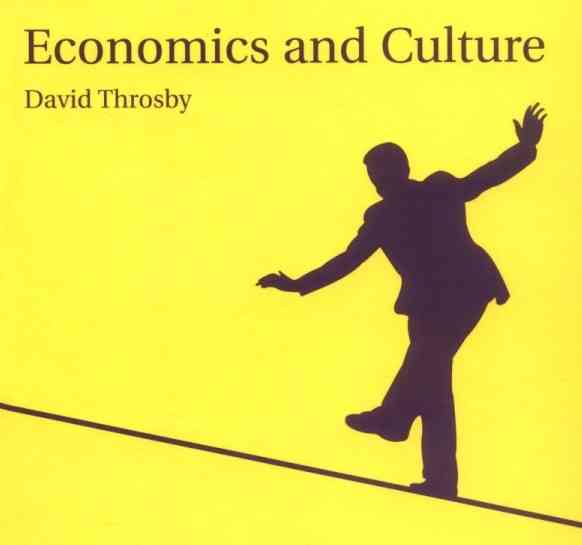
- Throsby D. Economics and Culture. Cambridge Univ, 2001.
- Towse R, ed. Handbook of Cultural Economics. Elgar, 2003.



Wednesday, July 16, 2008
16 Jul 08
Laying the Sword Down (by Warrior)
Warrior - Serving fourteen years for kidnapping and aggravated assault. Half Hispanic and Scottish-Irish with family still in Mexico. Brought up by a family steeped in drug commerce.
It was early October when I heard Doc was up for parole. I went to wish him well before he was scheduled to go. I walked up the stairs, towards his cell, and found him on his bunk. The aroma of freshly brewed coffee was in the air.
“Yo, Doc! How ya doin’?” I said.
“Hey, youngster! How the hell are ya?”
“OK. Jus’ wanted to swing by and say what’s up. Heard you up for parole.”
“Yeah, I am. Hey, I gotta bone to pick wit’ you! I’ve been hearin’ yer fuckin’ name floatin’ around the crowd too much.” As he gave me a suspicious glare I couldn’t help but look away and pretend my mind wandered out of the conversation. But he knew otherwise. “What do ya have goin’ on right now? Busy?” he said.
“I’m not doin’ anythin’, just roamin’ the yard.”
“Have a seat, kid. We need to talk. Want a cup of coffee?”
“Sure,” I replied, and sat on a cheap plastic lawn chair, like you find at a hardware store.
You could tell Doc had been in prison for quite some time. His living area was organized with military precision.
The state of a living area provides a peek into a prisoner’s mind. Chaos, discipline, obsessive compulsiveness all become apparent.
Doc knew this, and took pride in his display of discipline. On some level you couldn’t help but admire certain aspects of this man. Discipline being one of them.
Doc pulled two plastic cups from his shelf along with a jar of coffee. “One scoop or two?”
“One’s cool,” I said.
He shoveled one scoop in a cup, two in the other. He then pulled from a hiding spot an odd looking device. A cut electrical cord with two prongs on one end.
“What’s that?” I asked.
“This? It’s an old con trick. It’s a stinger. You’ll hear the name people call it always changing, so cops don’t become hip. Take a good look at it. You may have to make one one day.” He tossed it to me.
I examined the stinger. Each electrical wire was attached to a piece of metal, yet the metals didn’t touch, but were closely tied together. “How’s it work?”
“You put the heating element – the metal pieces – into a cup of water, and plug it into an outlet. The electricity heats up the water.”
“Damn, that some crazy shit.”
“Ya gotta learn to make a lotta shit like this in here. If ya ever end up in the max lockup, be careful if ya make enemies. They’ll heat up a cocktail of Bengay, Magic Shave and grease, then toss it on yer ass. It’s brutal shit, man. It’ll peel yer skin off like acid.”
I couldn’t help but imagine the horror of what that must feel like.
In prison, you pay close attention to topics on what could severely hurt you. There are creative prisoners who seem to have endless ways to cause you harm.
“Is the water bad for you?” I asked.
“Don’t know. That’s why I heat the water. Never can be too careful.” He made the coffee.
It was so strong I squinted sipping it.
He studied my face humorously.
I realized I was in a situation he’d relived over and over. He made strong coffee for others to test their resolve, and never ceased from finding humour in that.
“Don’t worry. That’ll put hair on yer ass,” he chuckled hoarsely. “So, kid, I hear you’re getting’ into shit. What’s up with that?”
“Nah. Jus’ tryin’ to earn my respect.”
He looked at his cup of coffee as he took a sip. The steam parted around his face as it climbed. He seemed to slow down, perhaps buying time to gather his response to me. “Look, kid, I can’t knock ya. I’ve been there and done the same shit. I’ve seen it all. I won’t patronize ya wit’ some self-help bullshit and how ya needs to change. But I will tell ya this: read. Pick up a book, and find out who ya are. Gather perspectives. Books afford ya that. Ya see the world through another’s eyes. Maybe what I’m tellin’ ya now might not make very much sense, but one day it will. What I’ve told ya will one day click on. Somethin’ in yer thoughts will trigger this conversation, and when it does, the right book will be there when ya need it. Whatever ya do here, be careful and don’t drift too far. If ya do, there may be no comin’ back. In the end, your journey is just that, your journey. Educate yerself in who ya are.” Doc had a southern twang, but spoke to you with confidence in his words. He’d been there and knew what he was talking about.
I tried to make sense of it all then, but my mind wasn’t ready. He was right though, one day something did trigger all he’d said, and I did pick up a book. I picked it up in the hole recovering from a severe beating. Nursing my wounds, I looked into the mirror and didn’t recognize the face staring back at me. Was it because I looked so disfigured or because of what I had become? Had I drifted too far?
The book was the only item in the cell on that day. It was The Book of Five Rings by Miyamoto Musashi.
Before Doc and I finished our conversation, I wished him the best come parole. Thanked him also for his valuable insight. Doc did make parole, never to be seen again. Rumor had it, Doc was living life successfully in Colorado. I’ll never forget that man.
I caught a movie the other day called Hero with Jet Li.
In one scene, something was said along the lines of, “A warrior’s ultimate act is to lay down his sword.”
That hit home.
Sun Tzu and Miyamoto Musashi are known for expressing the same philosophy expressed differently.
It can be hard to leave the sword behind in here, where the main language prisoners use is violence.
One day though, I will be one of those success stories like Doc.
Never to be seen by the people in here again.
That will be my ultimate act.
Email comments to writeinside@hotmail.com or post them below
Copyright © 2007-2008 Shaun P. Attwood
Laying the Sword Down (by Warrior)
Warrior - Serving fourteen years for kidnapping and aggravated assault. Half Hispanic and Scottish-Irish with family still in Mexico. Brought up by a family steeped in drug commerce.
It was early October when I heard Doc was up for parole. I went to wish him well before he was scheduled to go. I walked up the stairs, towards his cell, and found him on his bunk. The aroma of freshly brewed coffee was in the air.
“Yo, Doc! How ya doin’?” I said.
“Hey, youngster! How the hell are ya?”
“OK. Jus’ wanted to swing by and say what’s up. Heard you up for parole.”
“Yeah, I am. Hey, I gotta bone to pick wit’ you! I’ve been hearin’ yer fuckin’ name floatin’ around the crowd too much.” As he gave me a suspicious glare I couldn’t help but look away and pretend my mind wandered out of the conversation. But he knew otherwise. “What do ya have goin’ on right now? Busy?” he said.
“I’m not doin’ anythin’, just roamin’ the yard.”
“Have a seat, kid. We need to talk. Want a cup of coffee?”
“Sure,” I replied, and sat on a cheap plastic lawn chair, like you find at a hardware store.
You could tell Doc had been in prison for quite some time. His living area was organized with military precision.
The state of a living area provides a peek into a prisoner’s mind. Chaos, discipline, obsessive compulsiveness all become apparent.
Doc knew this, and took pride in his display of discipline. On some level you couldn’t help but admire certain aspects of this man. Discipline being one of them.
Doc pulled two plastic cups from his shelf along with a jar of coffee. “One scoop or two?”
“One’s cool,” I said.
He shoveled one scoop in a cup, two in the other. He then pulled from a hiding spot an odd looking device. A cut electrical cord with two prongs on one end.
“What’s that?” I asked.
“This? It’s an old con trick. It’s a stinger. You’ll hear the name people call it always changing, so cops don’t become hip. Take a good look at it. You may have to make one one day.” He tossed it to me.
I examined the stinger. Each electrical wire was attached to a piece of metal, yet the metals didn’t touch, but were closely tied together. “How’s it work?”
“You put the heating element – the metal pieces – into a cup of water, and plug it into an outlet. The electricity heats up the water.”
“Damn, that some crazy shit.”
“Ya gotta learn to make a lotta shit like this in here. If ya ever end up in the max lockup, be careful if ya make enemies. They’ll heat up a cocktail of Bengay, Magic Shave and grease, then toss it on yer ass. It’s brutal shit, man. It’ll peel yer skin off like acid.”
I couldn’t help but imagine the horror of what that must feel like.
In prison, you pay close attention to topics on what could severely hurt you. There are creative prisoners who seem to have endless ways to cause you harm.
“Is the water bad for you?” I asked.
“Don’t know. That’s why I heat the water. Never can be too careful.” He made the coffee.
It was so strong I squinted sipping it.
He studied my face humorously.
I realized I was in a situation he’d relived over and over. He made strong coffee for others to test their resolve, and never ceased from finding humour in that.
“Don’t worry. That’ll put hair on yer ass,” he chuckled hoarsely. “So, kid, I hear you’re getting’ into shit. What’s up with that?”
“Nah. Jus’ tryin’ to earn my respect.”
He looked at his cup of coffee as he took a sip. The steam parted around his face as it climbed. He seemed to slow down, perhaps buying time to gather his response to me. “Look, kid, I can’t knock ya. I’ve been there and done the same shit. I’ve seen it all. I won’t patronize ya wit’ some self-help bullshit and how ya needs to change. But I will tell ya this: read. Pick up a book, and find out who ya are. Gather perspectives. Books afford ya that. Ya see the world through another’s eyes. Maybe what I’m tellin’ ya now might not make very much sense, but one day it will. What I’ve told ya will one day click on. Somethin’ in yer thoughts will trigger this conversation, and when it does, the right book will be there when ya need it. Whatever ya do here, be careful and don’t drift too far. If ya do, there may be no comin’ back. In the end, your journey is just that, your journey. Educate yerself in who ya are.” Doc had a southern twang, but spoke to you with confidence in his words. He’d been there and knew what he was talking about.
I tried to make sense of it all then, but my mind wasn’t ready. He was right though, one day something did trigger all he’d said, and I did pick up a book. I picked it up in the hole recovering from a severe beating. Nursing my wounds, I looked into the mirror and didn’t recognize the face staring back at me. Was it because I looked so disfigured or because of what I had become? Had I drifted too far?
The book was the only item in the cell on that day. It was The Book of Five Rings by Miyamoto Musashi.
Before Doc and I finished our conversation, I wished him the best come parole. Thanked him also for his valuable insight. Doc did make parole, never to be seen again. Rumor had it, Doc was living life successfully in Colorado. I’ll never forget that man.
I caught a movie the other day called Hero with Jet Li.
In one scene, something was said along the lines of, “A warrior’s ultimate act is to lay down his sword.”
That hit home.
Sun Tzu and Miyamoto Musashi are known for expressing the same philosophy expressed differently.
It can be hard to leave the sword behind in here, where the main language prisoners use is violence.
One day though, I will be one of those success stories like Doc.
Never to be seen by the people in here again.
That will be my ultimate act.
Email comments to writeinside@hotmail.com or post them below
Copyright © 2007-2008 Shaun P. Attwood
Monday, July 14, 2008
14 Jul 08
The Whacking of Charlie (by Two Tonys Part 2)
Two Tonys - A whacker of men and Mafia associate serving multiple life sentences for murders and violent crimes. Left bodies from Tucson to Alaska, but claims all his victims "had it coming."
Part 1 left off with Two Tonys getting angry at Charlie after Berego (a connection Charlie had vouched for) took Two Tonys’ money to Mexico and didn’t return with the agreed upon cocaine.
And as I proceed to have a few drinks with Sal and a few grams of bullshit coke I’m getting fucked up – especially when I keep calling Louie and he tells me no show on Berego, and Charlie’s not around.
So the bars close at 1am. Me and Sal go for coffee. Then he drops me off at my rental car (it’s a comp from the lame drunk on the fourth floor). I go back to the hotel. Louie is up in his suite. He’s got some personal blow. So I ask if Charlie is back.
He says, “Yeah, he’s in his room down the hall.” He heard him come in.
Now we got guns galore. I always pack a lightweight .38 snub nose 5 shot in an inside holster in the small of my back. Real James Bond shit. It’s hard to see but easy to get too. And it’s real secure. When I went clubbing, I got up and boogied. Yeah, I was a disco duck. If you wanted broads, you couldn’t just sit around and talk out of the side of your neck, you needed to dance and the blow was always nice. A lot of coke whores around.
So I go down to Charlie’s room, knock on his door and he opens it. He’d been asleep. It showed on his face. He has on no shirt and a pair of cut-off shorts.
So I go in and tell him, “We’ve got to talk.”
He lies back on his bed.
I sit in a chair across from his bed.
The only light is in the bathroom. The door is open so it’s shining in.
So I get right to it. I say to this cowboy, “Where’s Berego?”
Now Charlie is grumpy. He’s been partying all weekend with probably my money or half of it. Plus he had just gotten to sleep and here I come waking him up at 3am with 20 questions.
So he actually replies in a shitty tone, “I don’t know.”
So I say to him, “Where’s my dope?”
Again, he says, “I don’t know. He’ll be here.”
So I jump and as I do I’m reaching for my .38 out of my back.
He’s reaching for his Bulldog in the nightstand.
I get to him. I put the .38 in his mouth and say to him, “You, motherfucker.” As I pull the trigger I feel a fine spray of like wet sand shoot up in my face. I do it again. Two in the mouth. The wet sand spray was this assholes teeth and blood. Two is good. I pull out and leave.
I figured the drunk down the hall or Louie’s aunt heard the shots. So I go out in the hall. Louie’s head is looking out of his room.
I say, “Get back inside. I’ll be back.” So I go down the stairs not the lift. Go to my car. Shoot over to Sal’s house. He was still up. Coke does that. I take a shower. Change clothes. We wear the same size. We put the bloody clothes in a bag, take it to the desert and throw it. I stash my .38 under a cactus that I can retrieve due to the milepost marker and I go to a pay phone and call Louie.
He says, “Nobody heard a thing.”
So I say, “Good. I’ll be back down.” I go back to the hotel. It’s early dawn.
I take Louie’s master key and go back in Charlie’s room, now the asshole’s death chamber. I wipe down the arms on the chair, door handles, etc. He’s sitting up lying in his bed but he’s a fucking mess. Lot’s of blood has come out of his lying mouth onto his chest. I take nothing. I leave his guns, his knives. I don’t even look for money.
This wasn’t about money or dope. This was about judging who you’re fucking with. A human life is worth more than $5000, but since then I’ve seen guys killed for $50. So it’s not about money. That coke has a way of making you think you’re all that and a roll of print toilet paper.
Bottom line, the maid finds him two days later. Cops come, investigate, and want to interview me. I refuse. My attorney’s a real fine crook himself, who finally commits suicide, but that’s another story. He tells the cops I don’t want to discuss anything with them. Arrest me or kick rocks.
Berego never comes back.
Charlie’s case goes unsolved for 17 years, because nobody gives a fuck about dope dealers.
Click here to read Part 1
Email comments to writeinside@hotmail.com or post them below
Copyright © 2007-2008 Shaun P. Attwood
The Whacking of Charlie (by Two Tonys Part 2)
Two Tonys - A whacker of men and Mafia associate serving multiple life sentences for murders and violent crimes. Left bodies from Tucson to Alaska, but claims all his victims "had it coming."
Part 1 left off with Two Tonys getting angry at Charlie after Berego (a connection Charlie had vouched for) took Two Tonys’ money to Mexico and didn’t return with the agreed upon cocaine.
And as I proceed to have a few drinks with Sal and a few grams of bullshit coke I’m getting fucked up – especially when I keep calling Louie and he tells me no show on Berego, and Charlie’s not around.
So the bars close at 1am. Me and Sal go for coffee. Then he drops me off at my rental car (it’s a comp from the lame drunk on the fourth floor). I go back to the hotel. Louie is up in his suite. He’s got some personal blow. So I ask if Charlie is back.
He says, “Yeah, he’s in his room down the hall.” He heard him come in.
Now we got guns galore. I always pack a lightweight .38 snub nose 5 shot in an inside holster in the small of my back. Real James Bond shit. It’s hard to see but easy to get too. And it’s real secure. When I went clubbing, I got up and boogied. Yeah, I was a disco duck. If you wanted broads, you couldn’t just sit around and talk out of the side of your neck, you needed to dance and the blow was always nice. A lot of coke whores around.
So I go down to Charlie’s room, knock on his door and he opens it. He’d been asleep. It showed on his face. He has on no shirt and a pair of cut-off shorts.
So I go in and tell him, “We’ve got to talk.”
He lies back on his bed.
I sit in a chair across from his bed.
The only light is in the bathroom. The door is open so it’s shining in.
So I get right to it. I say to this cowboy, “Where’s Berego?”
Now Charlie is grumpy. He’s been partying all weekend with probably my money or half of it. Plus he had just gotten to sleep and here I come waking him up at 3am with 20 questions.
So he actually replies in a shitty tone, “I don’t know.”
So I say to him, “Where’s my dope?”
Again, he says, “I don’t know. He’ll be here.”
So I jump and as I do I’m reaching for my .38 out of my back.
He’s reaching for his Bulldog in the nightstand.
I get to him. I put the .38 in his mouth and say to him, “You, motherfucker.” As I pull the trigger I feel a fine spray of like wet sand shoot up in my face. I do it again. Two in the mouth. The wet sand spray was this assholes teeth and blood. Two is good. I pull out and leave.
I figured the drunk down the hall or Louie’s aunt heard the shots. So I go out in the hall. Louie’s head is looking out of his room.
I say, “Get back inside. I’ll be back.” So I go down the stairs not the lift. Go to my car. Shoot over to Sal’s house. He was still up. Coke does that. I take a shower. Change clothes. We wear the same size. We put the bloody clothes in a bag, take it to the desert and throw it. I stash my .38 under a cactus that I can retrieve due to the milepost marker and I go to a pay phone and call Louie.
He says, “Nobody heard a thing.”
So I say, “Good. I’ll be back down.” I go back to the hotel. It’s early dawn.
I take Louie’s master key and go back in Charlie’s room, now the asshole’s death chamber. I wipe down the arms on the chair, door handles, etc. He’s sitting up lying in his bed but he’s a fucking mess. Lot’s of blood has come out of his lying mouth onto his chest. I take nothing. I leave his guns, his knives. I don’t even look for money.
This wasn’t about money or dope. This was about judging who you’re fucking with. A human life is worth more than $5000, but since then I’ve seen guys killed for $50. So it’s not about money. That coke has a way of making you think you’re all that and a roll of print toilet paper.
Bottom line, the maid finds him two days later. Cops come, investigate, and want to interview me. I refuse. My attorney’s a real fine crook himself, who finally commits suicide, but that’s another story. He tells the cops I don’t want to discuss anything with them. Arrest me or kick rocks.
Berego never comes back.
Charlie’s case goes unsolved for 17 years, because nobody gives a fuck about dope dealers.
Click here to read Part 1
Email comments to writeinside@hotmail.com or post them below
Copyright © 2007-2008 Shaun P. Attwood
Saturday, July 12, 2008
12 Jul 08
Zucchini (Part 5)
This series came about because many of you requested I blog what prisoners get up to sexually. If you take offence to sexual content you may not want to read on.
Max - A car-jacking Chukchansi Indian who entered prison as a teenager and went home to Las Vegas in 2007. His sexual adventures in prison include trading semen to an old pervert for commissary items.
Part four left off with Log insisting Max receive felatio from Cindy the transsexual.
“Did you go for it with Cindy?” I asked. “Did Log break you down?”
“No, dude,” Max said. “I tell Log, ‘I’m cool for now. I’ve gotta go back to the kitchen before they call for me.’
Log says, ‘So you don’t wanna get your issue?’
I say, ‘No,’ and put the shampoo bottle on the table.
Cindy’s still distracted.
I take a step to the door, and open it a little, and Log says, ‘Hey, Max, keep point real quick.’
I say, ‘OK. That’s cool.’ So now I’m outside of the door, watchin’ for guards, standin’ in front of the window, so no one can look in. People are walkin’ by, tryin’ to talk to me, dude, and it’s obvious I’m keepin’ point for some reason or other. I look across the run, and see a CO lookin’ at me. I’m getting’ a little paranoid now. I shouldn’t even be on Yard 2. A coupla minutes later, Log opens the door and asks me to come back inside.”
“Oh no.”
“I step just inside the door. I’m thinkin’ Log’s supposed to be my buddy, but he’s tryin’ to turn me out. I’m thinkin I need to examine how I choose my friends. I need to choose ’em more wisely.
Log says, ‘Do you wanna get your issue?’
It’s like he wants me to fall into that life of sin. It’s like an initiation ritual.
I say, ‘No, dude. I ain’t got time.’ ’Cause I’m tryin’ to be polite.
There’s a knock at the door, and a CO just walks right in, and says, ‘What’s that smell?’
I look up at the CO, and think I’m gonna get busted now for havin’ a threesome that I didn’t even do. It smells like sex up in that motherfucker.
The CO says, ‘What are you guys cookin’?’
Log says, ‘Just a soup.’
So I look toward the table, and I’m wonderin’ what happened to the shampoo bottle.”
“Uh oh.”
“When a CO busts you like this, sometimes they’ll strip you all out before they let you leave. I really don’t wanna get stripped out with these guys ’cause one’ll be lookin’ at my ass while the other checks out my dick. Who knows what the fucked-up rules of engagement are when it comes to Log and Cindy! If Log would do Cindy, then what is he plannin’ on doin’ to me?
The CO says, ‘You need to get outside and take care of those trays.’
I say, ‘Yeah. Just lemme roll a cigarette real quick.’
The CO leaves.
I’m rollin’ the cigarette, and I ask Cindy, ‘What happened to the shampoo bottle?’
Cindy says, ‘Don’t worry, honey. It’s in the bat cave.’”
I laughed.
“Now, I’m thinkin’, the shampoo bottle has been out, it’s been in, it’s been out, and now it’s locked in there again. It’s gotta be sore by now. I take off. I’m light again – six trays. I’m thinkin’, it’s just another day in my life at prison.”
“So, you didn’t succumb to the peer pressure from Log?”
“No. Not then.”
“But you went back there, didn’t you?”
“Yeah.”
“Did anything interesting happen?”
“Well, there was this funny-shaped hot-sauce bottle.”
“I was hoping you’d say something like that. Tell me about the hot-sauce bottle.”
Email comments to writeinside@hotmail.com or post them below
Zucchini (Part 5)
This series came about because many of you requested I blog what prisoners get up to sexually. If you take offence to sexual content you may not want to read on.
Max - A car-jacking Chukchansi Indian who entered prison as a teenager and went home to Las Vegas in 2007. His sexual adventures in prison include trading semen to an old pervert for commissary items.
Part four left off with Log insisting Max receive felatio from Cindy the transsexual.
“Did you go for it with Cindy?” I asked. “Did Log break you down?”
“No, dude,” Max said. “I tell Log, ‘I’m cool for now. I’ve gotta go back to the kitchen before they call for me.’
Log says, ‘So you don’t wanna get your issue?’
I say, ‘No,’ and put the shampoo bottle on the table.
Cindy’s still distracted.
I take a step to the door, and open it a little, and Log says, ‘Hey, Max, keep point real quick.’
I say, ‘OK. That’s cool.’ So now I’m outside of the door, watchin’ for guards, standin’ in front of the window, so no one can look in. People are walkin’ by, tryin’ to talk to me, dude, and it’s obvious I’m keepin’ point for some reason or other. I look across the run, and see a CO lookin’ at me. I’m getting’ a little paranoid now. I shouldn’t even be on Yard 2. A coupla minutes later, Log opens the door and asks me to come back inside.”
“Oh no.”
“I step just inside the door. I’m thinkin’ Log’s supposed to be my buddy, but he’s tryin’ to turn me out. I’m thinkin I need to examine how I choose my friends. I need to choose ’em more wisely.
Log says, ‘Do you wanna get your issue?’
It’s like he wants me to fall into that life of sin. It’s like an initiation ritual.
I say, ‘No, dude. I ain’t got time.’ ’Cause I’m tryin’ to be polite.
There’s a knock at the door, and a CO just walks right in, and says, ‘What’s that smell?’
I look up at the CO, and think I’m gonna get busted now for havin’ a threesome that I didn’t even do. It smells like sex up in that motherfucker.
The CO says, ‘What are you guys cookin’?’
Log says, ‘Just a soup.’
So I look toward the table, and I’m wonderin’ what happened to the shampoo bottle.”
“Uh oh.”
“When a CO busts you like this, sometimes they’ll strip you all out before they let you leave. I really don’t wanna get stripped out with these guys ’cause one’ll be lookin’ at my ass while the other checks out my dick. Who knows what the fucked-up rules of engagement are when it comes to Log and Cindy! If Log would do Cindy, then what is he plannin’ on doin’ to me?
The CO says, ‘You need to get outside and take care of those trays.’
I say, ‘Yeah. Just lemme roll a cigarette real quick.’
The CO leaves.
I’m rollin’ the cigarette, and I ask Cindy, ‘What happened to the shampoo bottle?’
Cindy says, ‘Don’t worry, honey. It’s in the bat cave.’”
I laughed.
“Now, I’m thinkin’, the shampoo bottle has been out, it’s been in, it’s been out, and now it’s locked in there again. It’s gotta be sore by now. I take off. I’m light again – six trays. I’m thinkin’, it’s just another day in my life at prison.”
“So, you didn’t succumb to the peer pressure from Log?”
“No. Not then.”
“But you went back there, didn’t you?”
“Yeah.”
“Did anything interesting happen?”
“Well, there was this funny-shaped hot-sauce bottle.”
“I was hoping you’d say something like that. Tell me about the hot-sauce bottle.”
Email comments to writeinside@hotmail.com or post them below
The Air from Other Planets: How Much Is Too Much?

P enderecki, that reliable old post-Schoenberg standby, evoking buzzing bees in the basement. I did not really like these pieces, but I would put them on every few months to see if the bizarre might one day morph into the familiar. I’ve been doing that for forty years now, and the compositions continue to sound harsh, unpleasant, gloomy, post-nuclear. It is not the composers’ fault that they wrote uncompromising music that was a direct response to the violence and stupidity of the 20th Century. But it is not my fault that I would rather listen to Bach. That is my way of responding to violence and stupidity.”The afternoon and evening programming at the recent West Cork Chamber Music Festival in Bantry, Ireland, was initially a delight. I crave new music—even pieces that are hard to warm up to, hard to comprehend—and the program for this Festival was notable for the sheer number of recent compositions on the docket.
— Joe Queenan, ‘Admit It! You’re As Bored As I Am’, The Guardian, 09-JUL-2008, Arts, p. 24.

But 5 consecutive days into the Festival, I had reached the point of saturation. All of the inharmonic sawings and screechings from countless viols; all of the gnashings that can be elicited by knocking the bow against the bodies or tailpieces of violins; all of the scrapings of piano strings with coins and other hardware and bangings of keyboards with fists; all of the noteless, tempoless, ad hoc, arbitrary scratchings of nebulous pitch-envelope “suggestions” on the music staves—all of these eventually became too much for me.

I am pretty sure I was not alone. The majority of the audiences at Bantry were conservative, middle-aged people, hoping and praying for some Baroque or Classical relief. Some people annoyedly folded and refolded their programs; others stared listlessly at their shoes through entire pieces. The performance of Schoenberg’s ‘Pierrot Lunaire’ which ran 35 minutes past the scheduled time was something of a ‘last straw’ in terms of trying the audience’s (and other ensembles’) patience.
While I very much admire Francis Humphry’s bravery and enthusiasm (and while I will gladly return to the West Cork Chamber Music Festival in future years), I do hope that future years’ Bantry programming will be devised so as to have more genre variation within-program, so as not to exceed so many audience-members’ appetites for new music.
With his setting of Stefan George’s poem “Ich fühle Luft von anderem Planeten” (‘I feel the air of another planet’) in the Second String Quartet, Op. 10 (1908), Arnold Schoenberg launched us into space, into new acoustical, mostly-musical realms. We continue on extra-terrestrial musical journeys because we want to, even to this day.
But the fact is, the amount of publicly offered music often has little relation to the quality of that music, let alone to the quality of the context in which it is presented. The quality of the context—and by this, I mean programming—is a crucial factor in the reception of any kind of repertoire. Programming (Irish: eagraithe) is a form of composing. The word ‘compose’ literally means ‘to put together’. I suggest that good programming consummates the composing process by arranging the elements so that they reinforce instead of oppose or beleaguer each other, preferably reinforcing in a way that’s conducive to reassessing and calibrating and illuminating—for us listeners, and for the performers. That way, each new piece is given a fair chance at a favorable reception. Ideally, a programmer/presenter is open to anything that leads to intriguing combinations. Ideally, a programmer/presenter aims to present the listener with ‘Happy New Ears!’, as John Cage calls them.
Healthy ‘fish’ (audience members; musicians) swim against the stream, but not obsessively or to the point of starvation. Healthy presenters do not program streams (Irish: an liosta casaidh) that torrentially roar down miles and miles of steep mountain slopes, in which even hardy fish cannot thrive.

- West Cork Music Festival
- Radio Television Éirann RTÉ
- Contemporary Music Centre Ireland
- Ashby A, ed. The Pleasure of Modernist Music. Univ Rochester, 2004.
- Bowie A. Music, Philosophy, and Modernity. Cambridge Univ, 2007.
- de la Fuente E. Twentieth Century Music and the Sociology of Modern Culture. Routledge, 2009.
- Gilmor A, Wright J, eds. I Feel the Air of Another Planet: Schoenberg's Chamber Music, Schoenberg's World. Pendragon, 2008.
- Lochead J. Postmodern Music | Postmodern Thought. Garland, 2000.
- McHard J. The Future of Modern Music. Iconic, 2006.
- Nyman M Experimental Music: Cage and Beyond. Cambridge Univ, 1999.
- Young R, ed. Undercurrents: The Hidden Wiring of Modern Music. Continuum, 2003.
Friday, July 11, 2008
11 Jul 08
Short Story
A short story has been added to my website: http://shaunattwood.com/home/index.php?option=com_content&task=view&id=28&Itemid=79
An introduction has been added to my website: http://shaunattwood.com/home/index.php?option=com_frontpage&Itemid=1
Email comments to writeinside@hotmail.com or post them below
Short Story
A short story has been added to my website: http://shaunattwood.com/home/index.php?option=com_content&task=view&id=28&Itemid=79
An introduction has been added to my website: http://shaunattwood.com/home/index.php?option=com_frontpage&Itemid=1
Email comments to writeinside@hotmail.com or post them below
Subscribe to:
Posts (Atom)